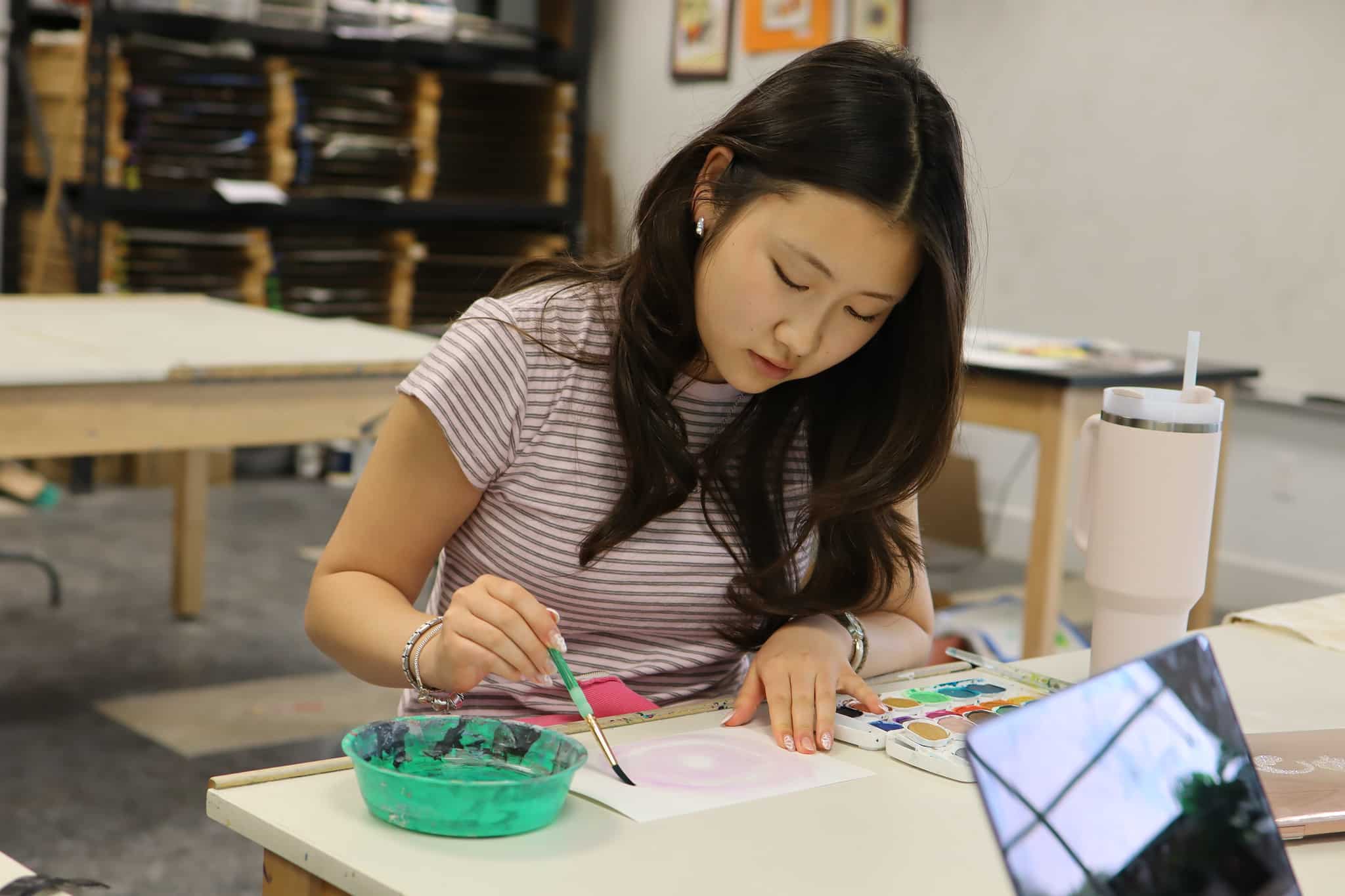

At Rumsey, the Fine Arts Studies Signature Program gives ninth graders the opportunity to pursue visual and performing arts with greater depth, intention, and independence. This year, six seniors used the program to explore new techniques and materials, along with personal memories, family connections, identity, patience, and creative risk-taking.
Through ceramics, watercolor, collage, drawing, fiber art, and mixed media, Esme, Iris, Jenine, Lina, Nana, and Sophie each developed work that reflected something meaningful about who they are and how they see the world.
Esme ’26
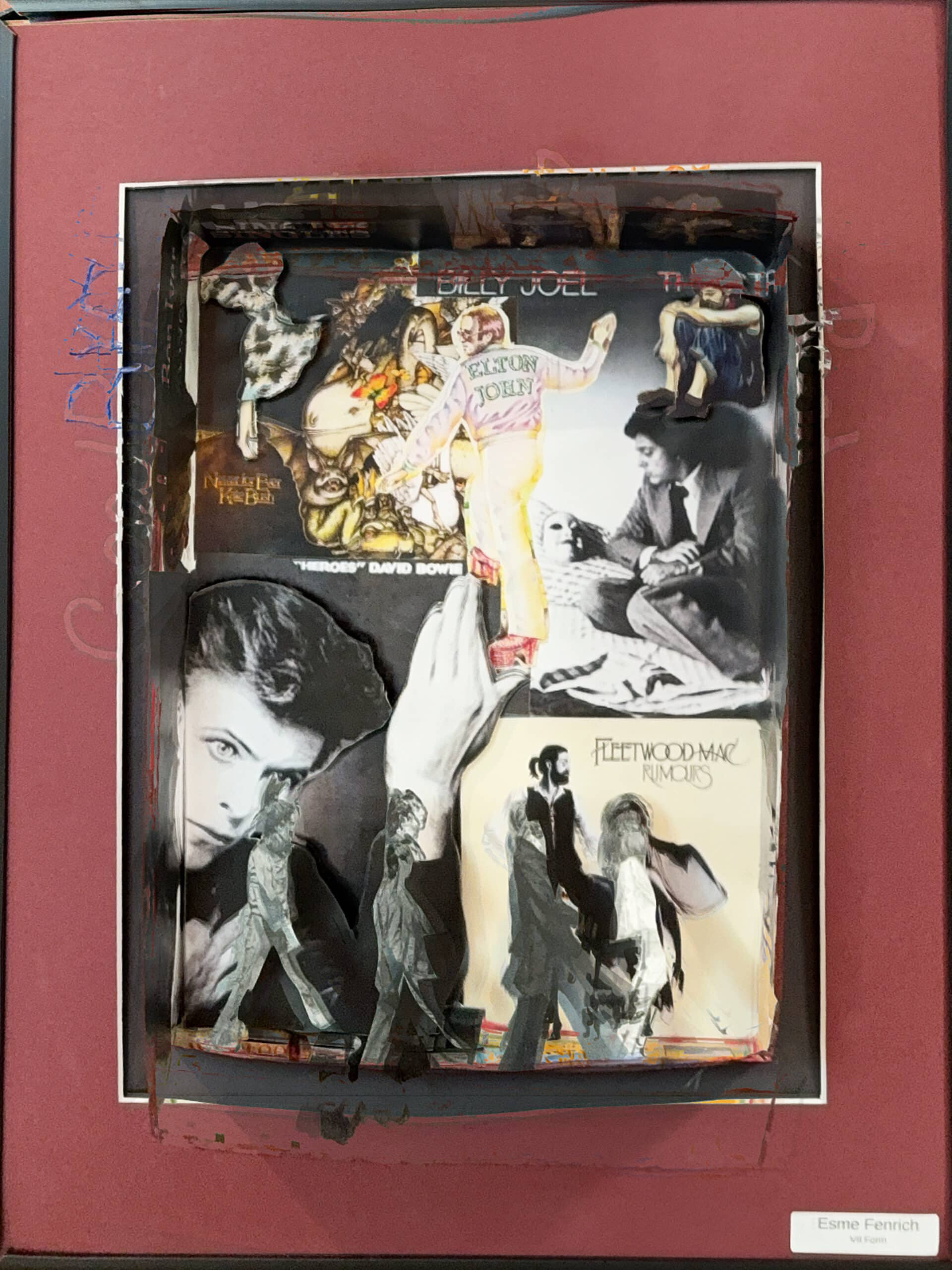
For Esme, art became a way to layer the people, places, and music that have shaped her. One of her projects combined album covers from her favorite bands into a three-dimensional collage, finished with song lyrics in metallic paint and the title of her favorite Elton John song. In the spring, she created a landscape made up of meaningful places from her childhood, including her New York City apartment building, a favorite playground on Bleecker Street, and the Telluride mountains in Colorado.
Throughout these two projects, I learned how to step out of my comfort zone and add more to my art than just what is first seen.” –Esme
“When looking at either of these projects, it may look just like some things layered on top of each other,” Esme reflected. “But in reality, it is a melting pot of things that have deep meanings and have impacted me heavily.”
-
- Esme’s three-dimensional collage
Esme’s three dimensional collage
Iris ’26
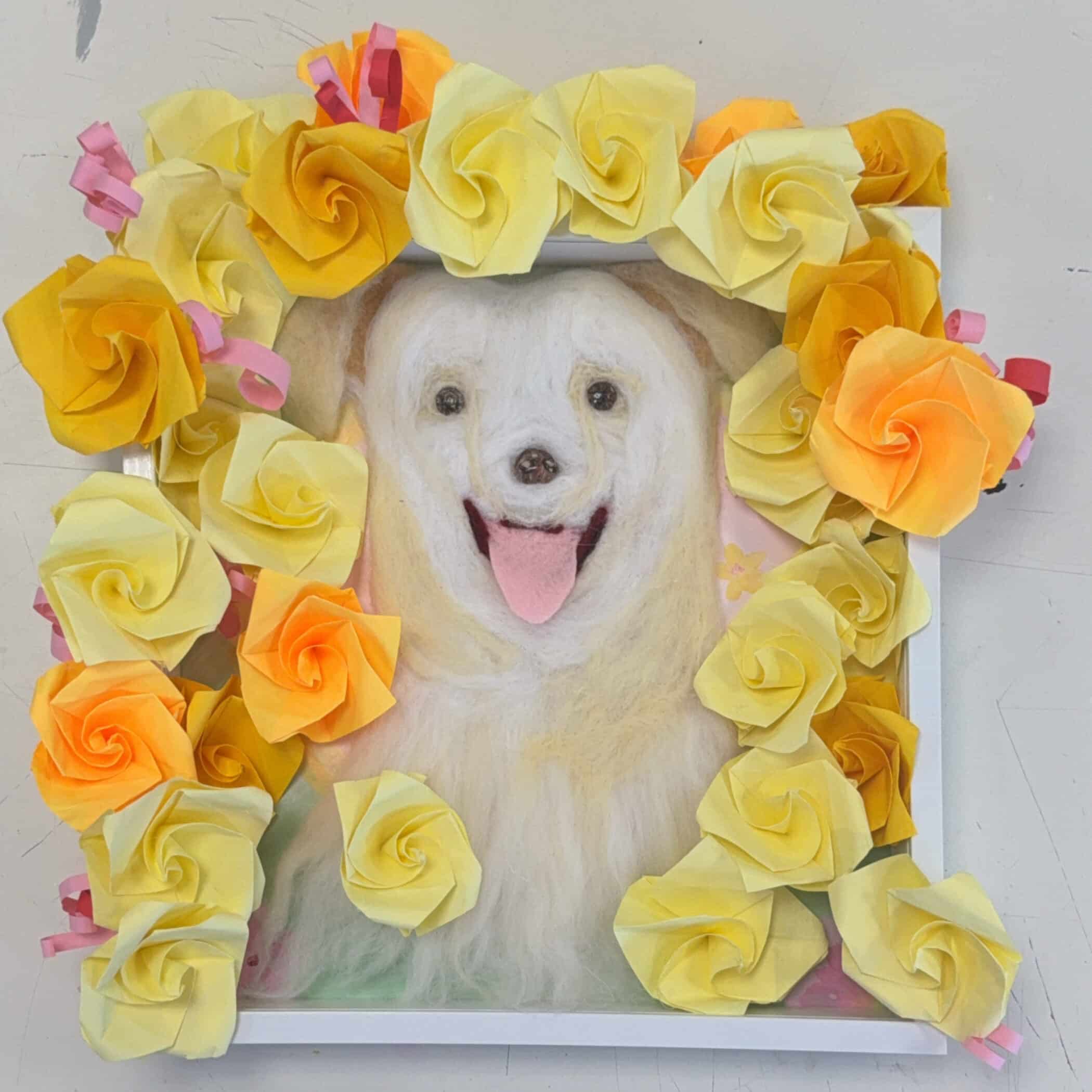
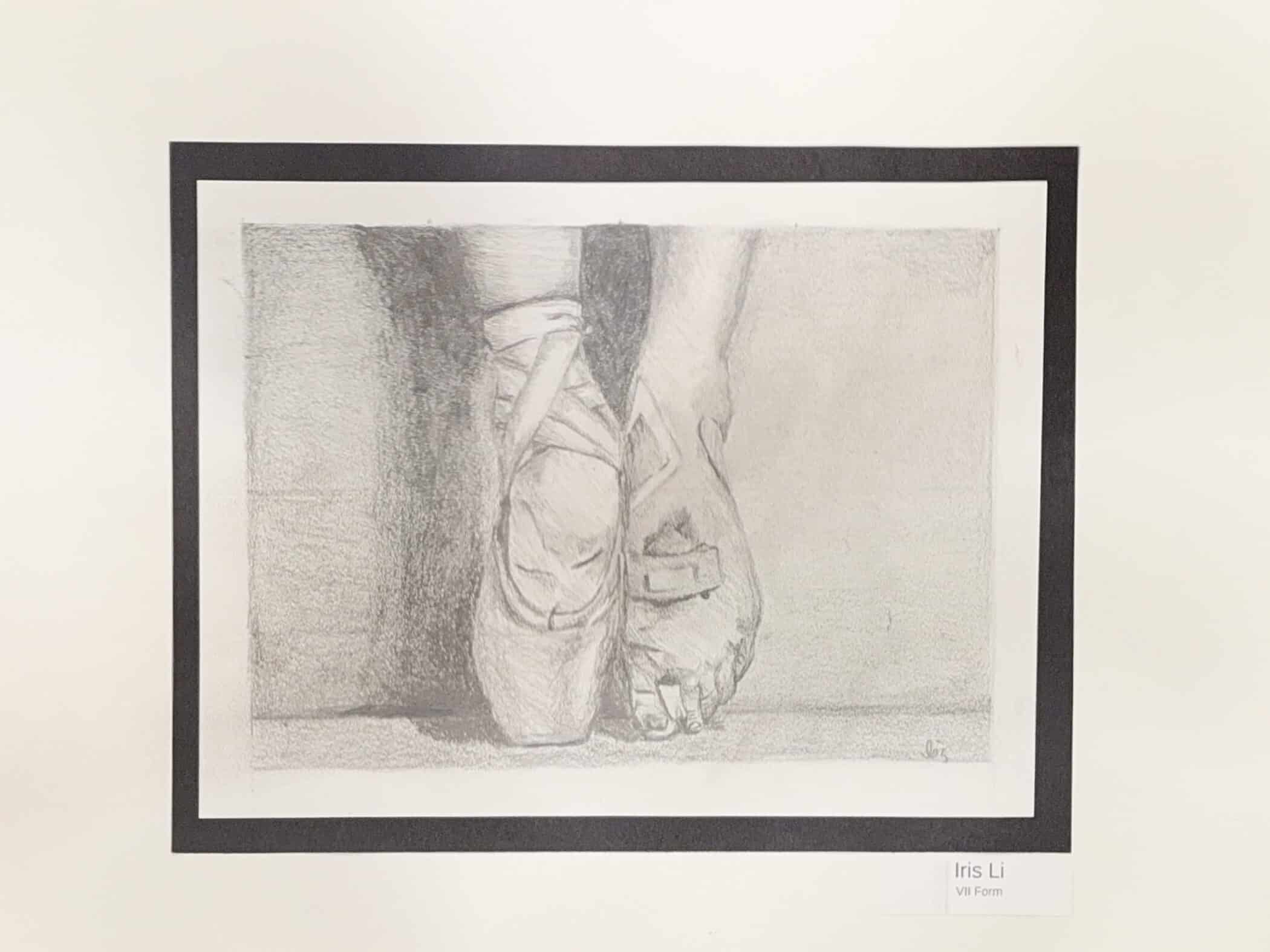
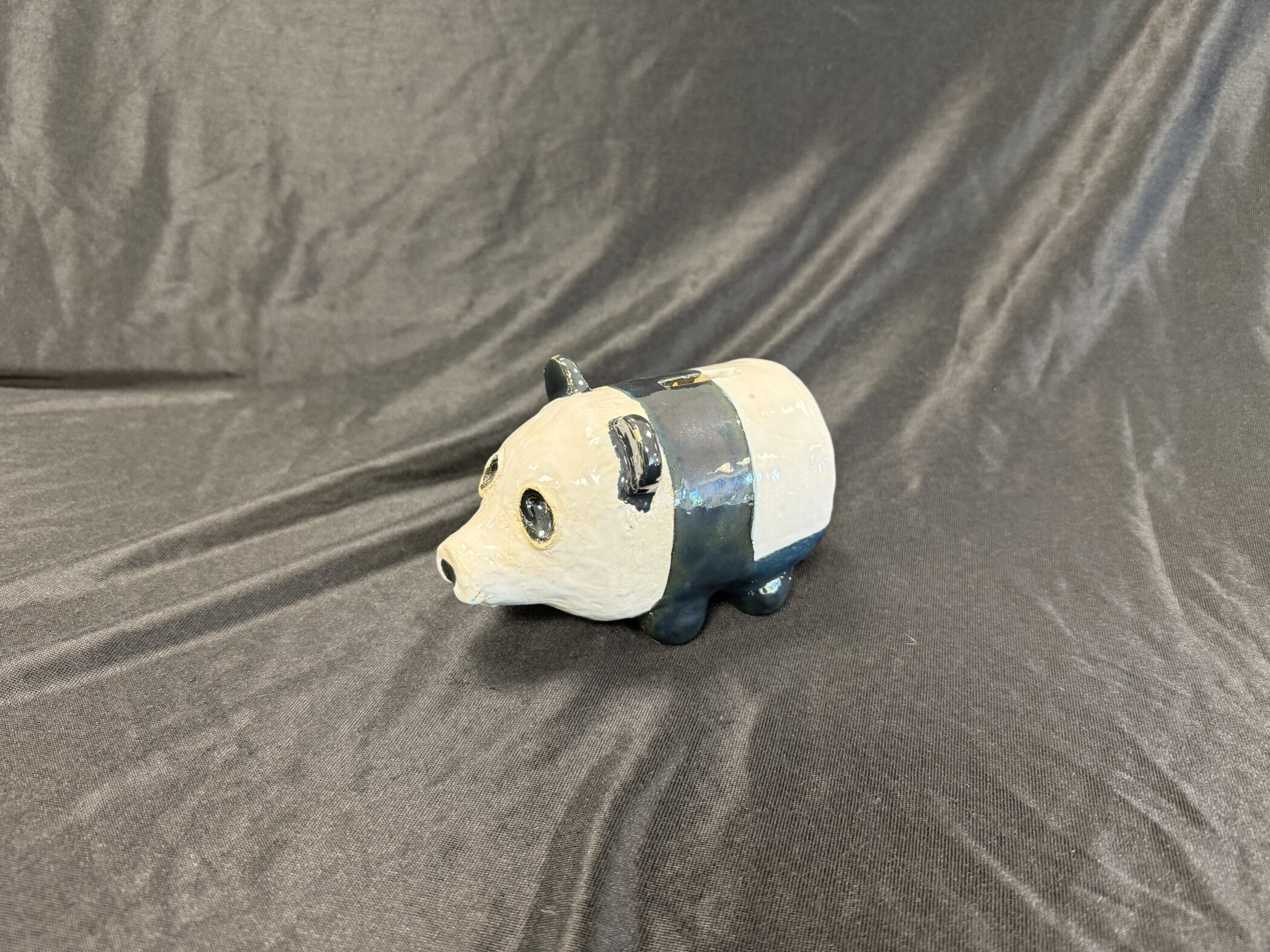
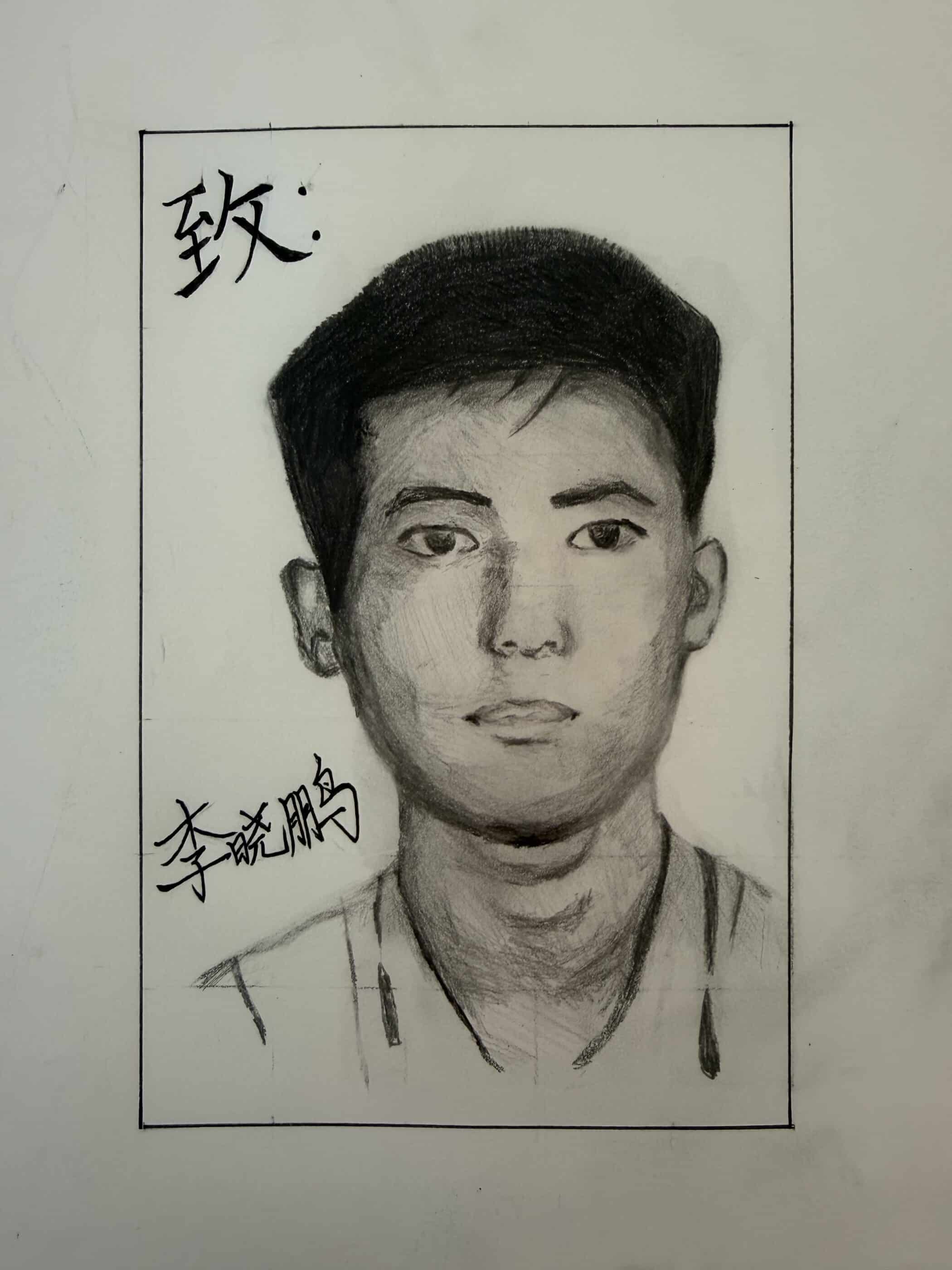
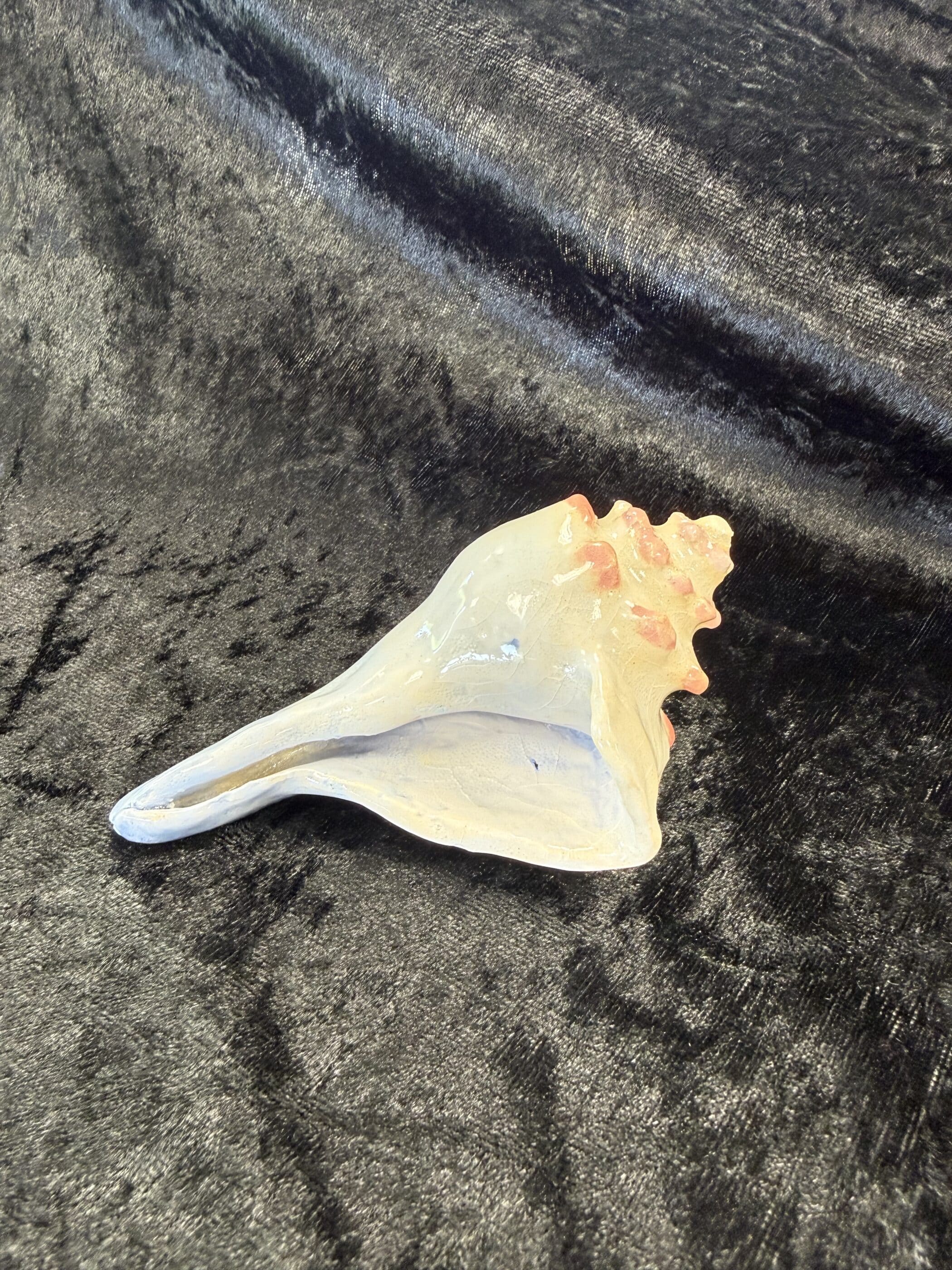
Iris used the year to explore a wide range of materials and forms, from ceramics and graphite drawing to wool felting. Her projects included a panda bank, a detailed seashell, a graphite drawing of a ballet dancer’s foot, a portrait of her father as a young man, and a felted portrait of her dog.
Art helped me grow by teaching me patience, problem-solving, and exploration of new materials and techniques.” – Iris
One of her most meaningful pieces was the felted dog portrait, created in memory of Tuantuan, who had been with her family for nearly six years. “This project taught me problem-solving skills because I had to layer colors carefully, shape the wool, and figure out how to make the portrait look realistic,” she reflected. “Through projects in ceramics, drawing, and fiber art, I learned how to express personal experiences and emotions through my work.”
Swipe
Jenine ’26
Jenine’s year in the arts included both visual and performing arts. In addition to participating in Chorus and the fall play, she joined the National Junior Art Honor Society, where she focused on watercolor.
For her main visual arts piece, Jenine painted a scene inside the shape of a camera: parents waving goodbye to a child as the child heads into an airport. The image drew from a significant moment in her own life and gave her the opportunity to tell a personal story through composition, perspective, and gesture.
As she worked, Jenine had to make thoughtful choices about what belonged in the final piece. She considered removing the people from the scene, but ultimately decided they were central to the story she wanted to tell. Through the process, she strengthened her understanding of perspective and body structure while learning to trust her creative decisions.
Lina ’26
Lina approached her work with a philosophical question in mind: Do people see things differently? Looking back on the year, she came to understand art as a way of showing not just what the eye sees, but what the heart sees.
I believe being an artist is to show how you see the world with your heart. Not physically with your eyes, but how you could be reflecting on the artwork, and expressing your identity into one piece of paper.” –Lina
Her first piece was inspired by Monet and captured the warmth of spring, cherry blossoms, and the beauty of nature. She carefully layered pink, violet, yellow, and nearly white tones to create a soft, blooming landscape. For her second piece, she turned toward the boldness of Picasso, experimenting with vibrant, neon-like colors inspired by thermography.
Together, the two works helped Lina explore contrast: softness and strength, gentleness and power, memory and expression.
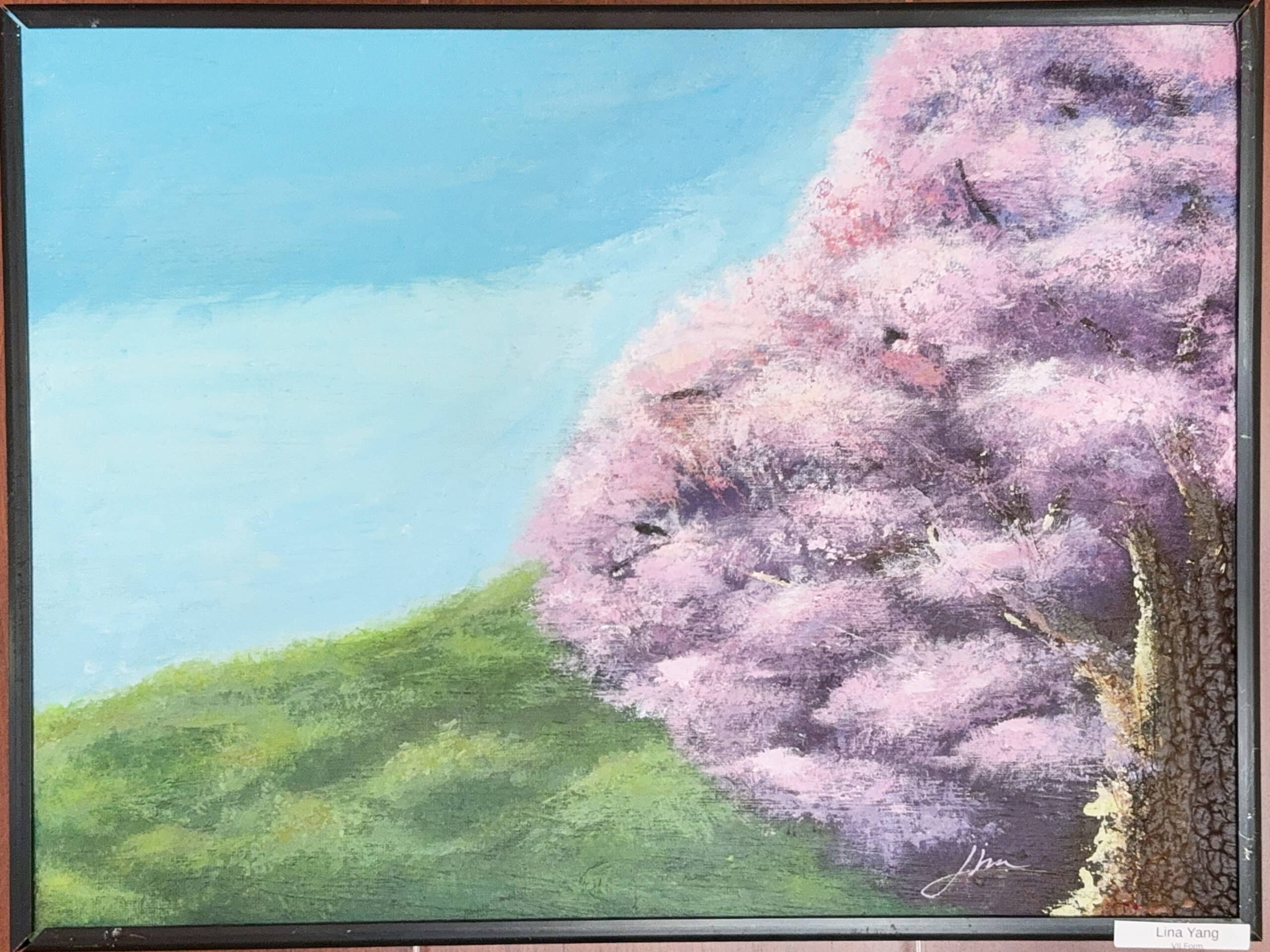
Lina’s piece inspired by Monet
Nana ’26
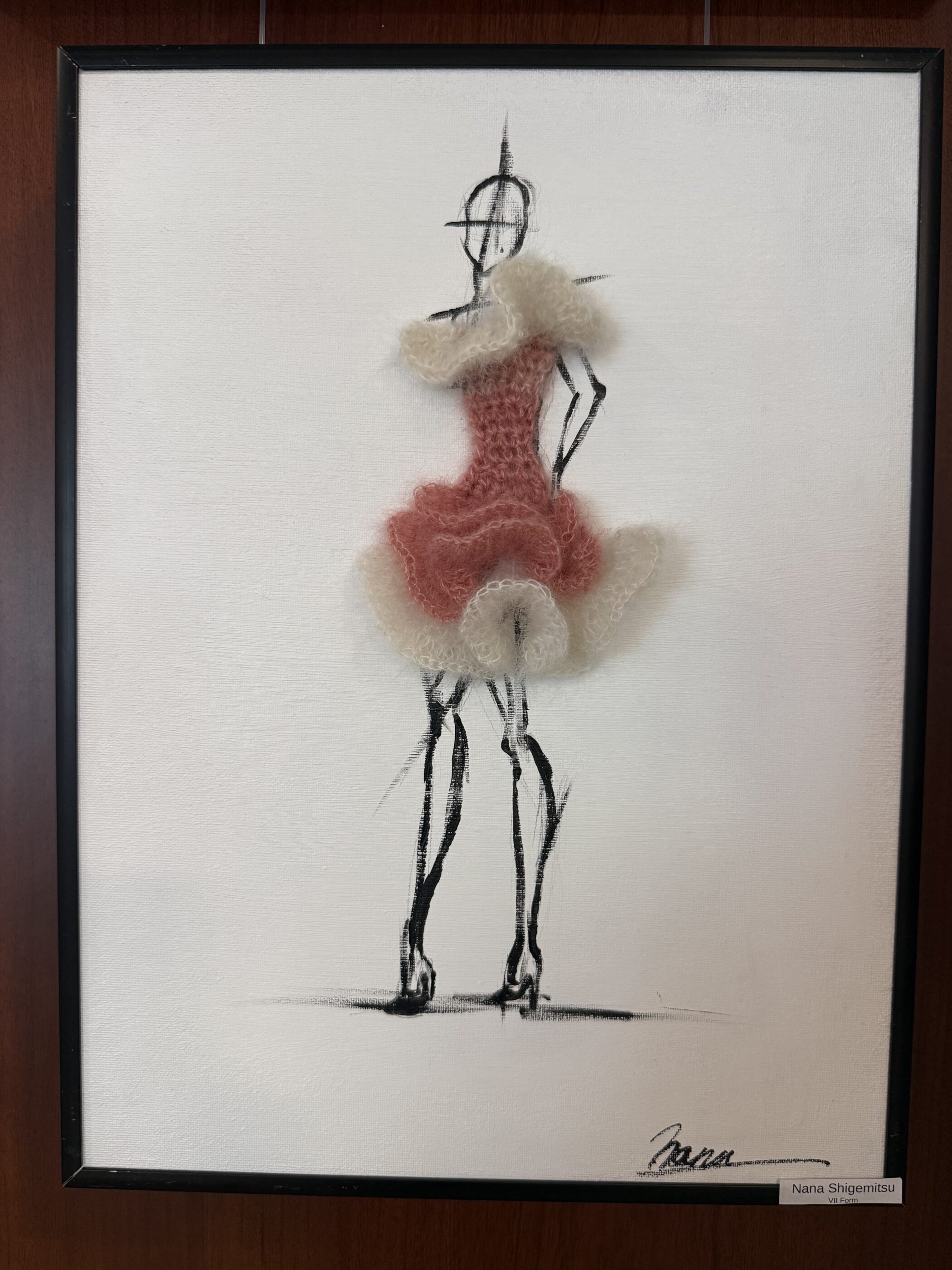
Nana used the year to experiment with new techniques and materials, including crochet, painting, colored pencil, and ceramics. Her first project was a mixed-media fashion sketch that combined crocheting and painting to create a three-dimensional dress on canvas.
“I have never done anything like this before and was first worried if the mix would not work out, but eventually I am really satisfied with the cool effect the two materials created,” Nana wrote.
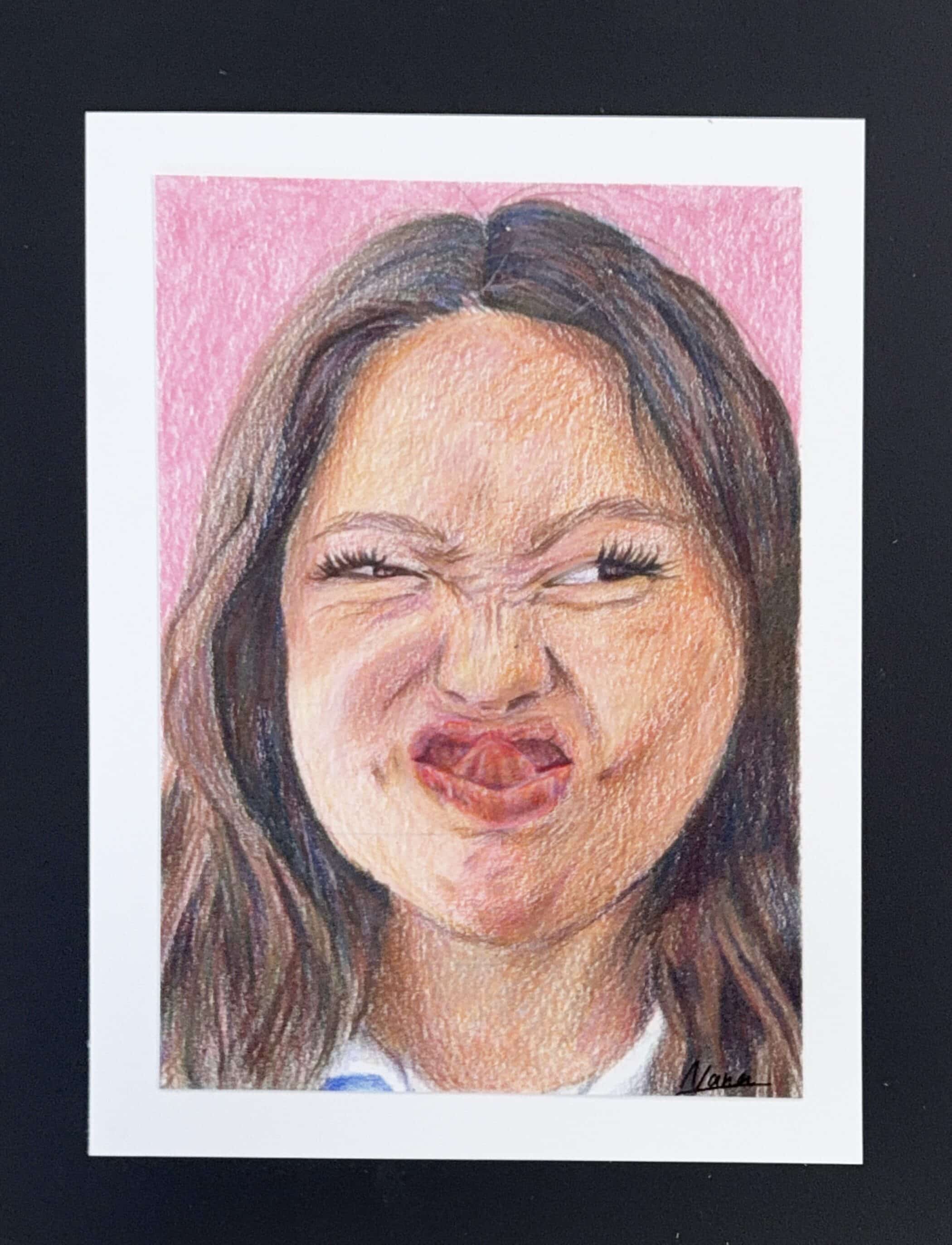
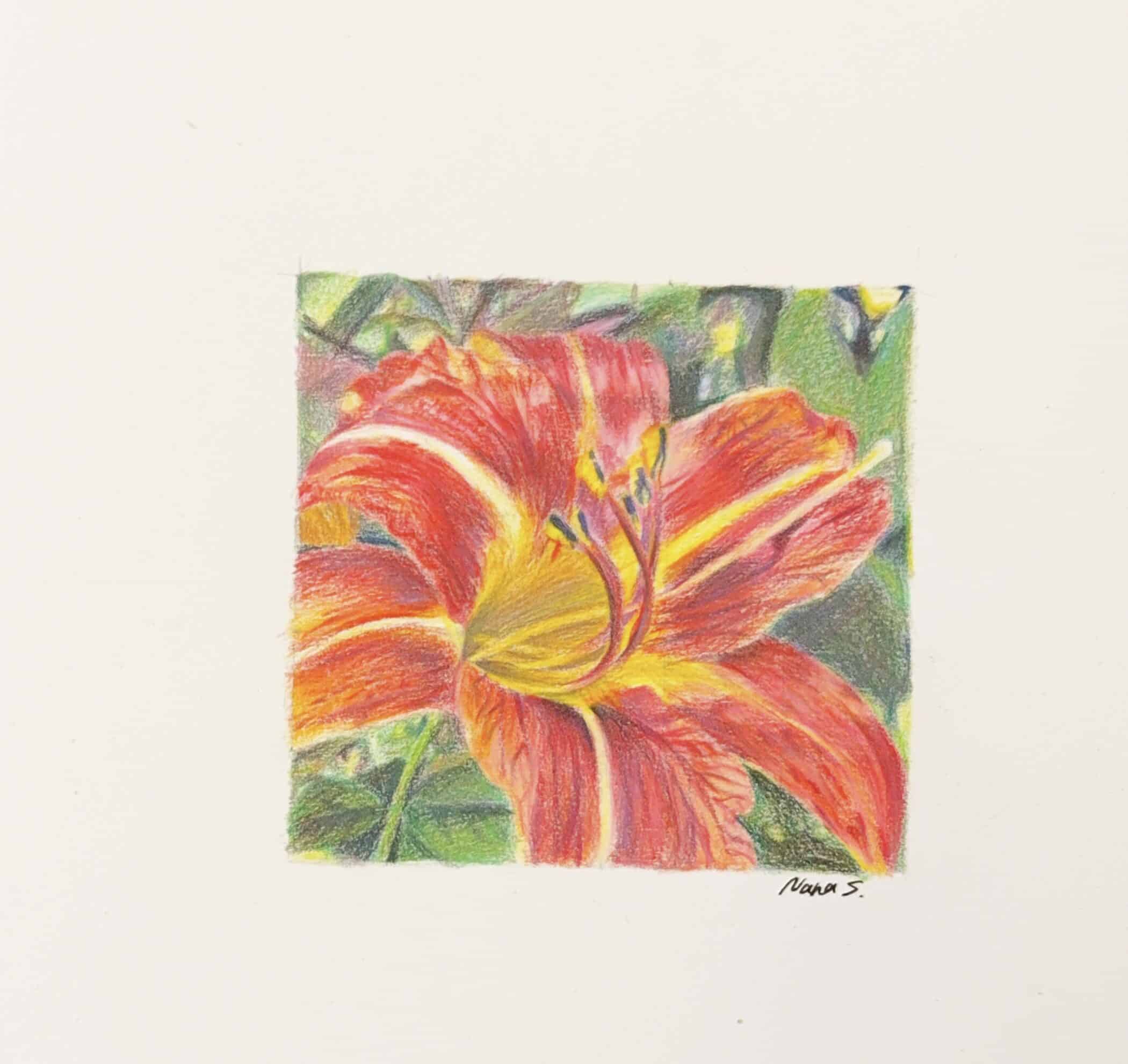
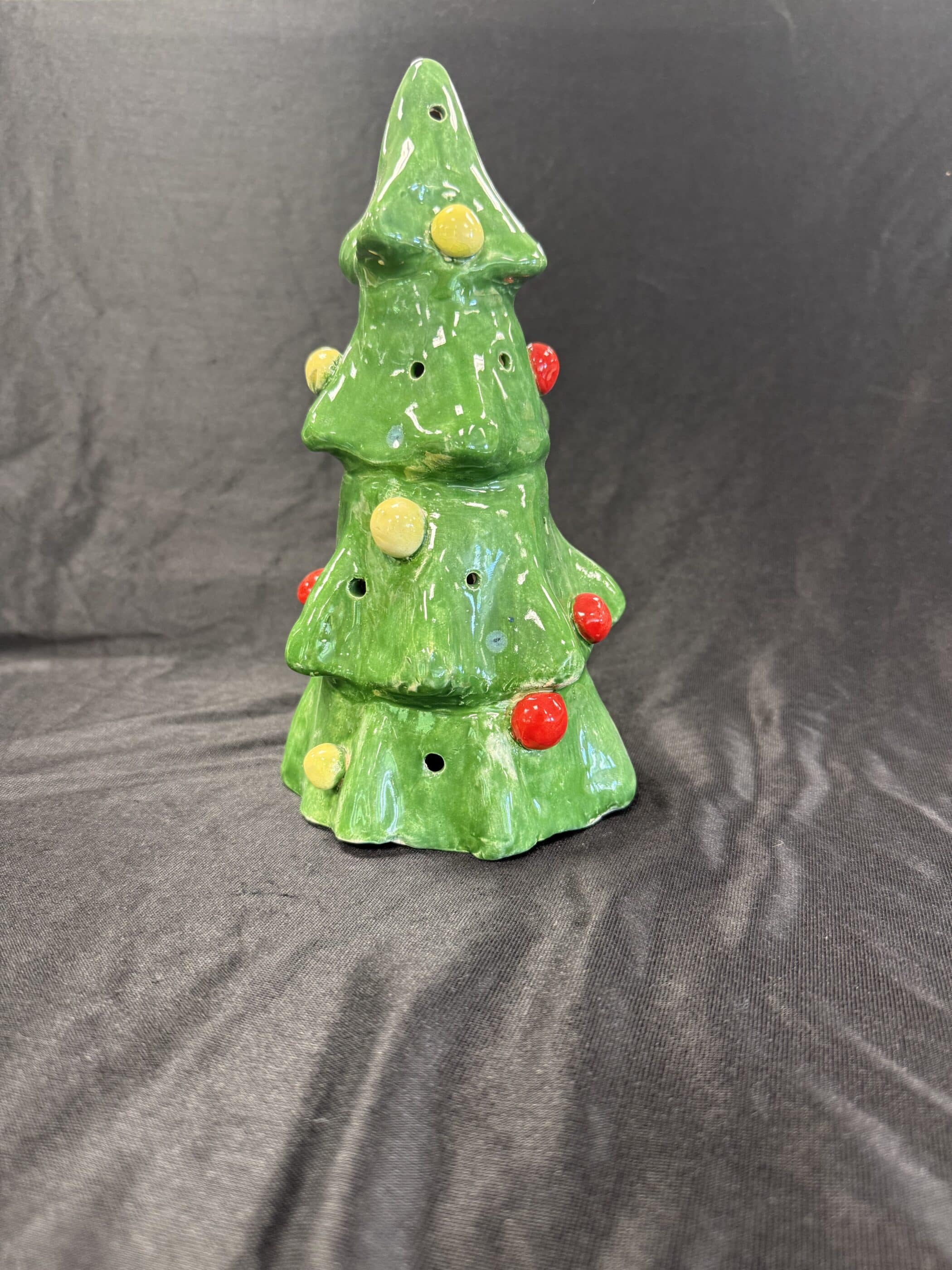
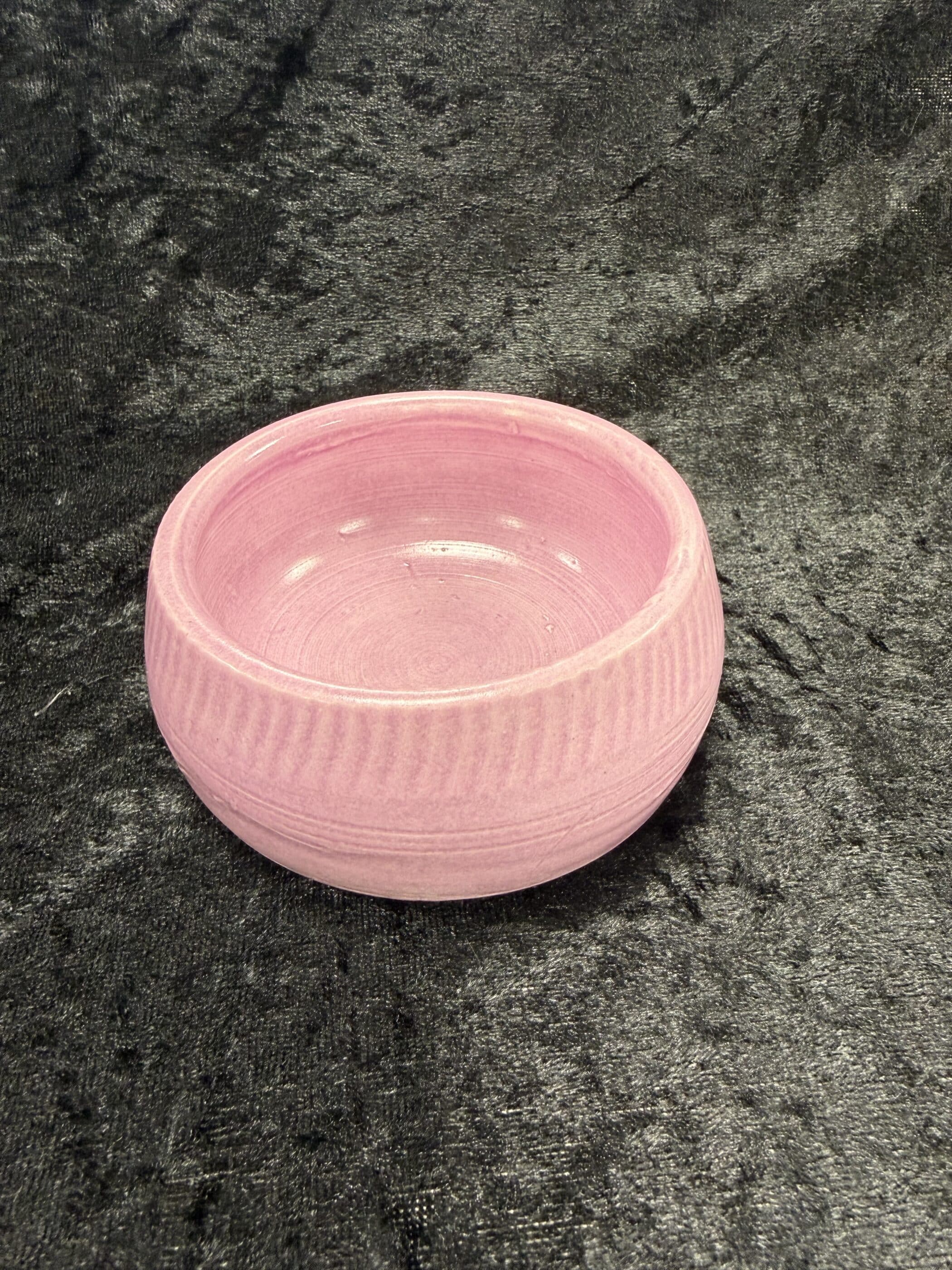
She also challenged herself with colored pencil, first creating a realistic flower from her own photograph and then moving on to a portrait of a friend. The portrait pushed her to study skin tones, facial features, undertones, and unexpected colors for shading. In ceramics, she created pieces including a Christmas tree lamp, learning how to balance moisture, shape, and structure while working with clay.
I was able to challenge myself with lots of different new materials this year, and all the classes inspired me to dig deeper into each even more.” –Nana
Swipe
Sophie ’26
Sophie focused on ceramics throughout the year, creating a pumpkin-shaped mug, a heart-shaped box, a sculpture of her dog, and a cat-shaped holder. She was drawn to clay because she enjoys creating three-dimensional objects and watching them come to life through each stage of the process.
I learned a lot about patience and not rushing my work, making sure everything is absolutely ready before going into the kiln.” –Sophie
Her heart-shaped box, made as a gift for her mom, was one of the most challenging pieces of the year. Sophie wanted it to be perfect, but the process taught her that art often becomes meaningful because of its imperfections.
“It always needed to be a bit smoother or a bit more symmetrical, but the beauty of art is the imperfections, because that’s what makes it yours,” she reflected.
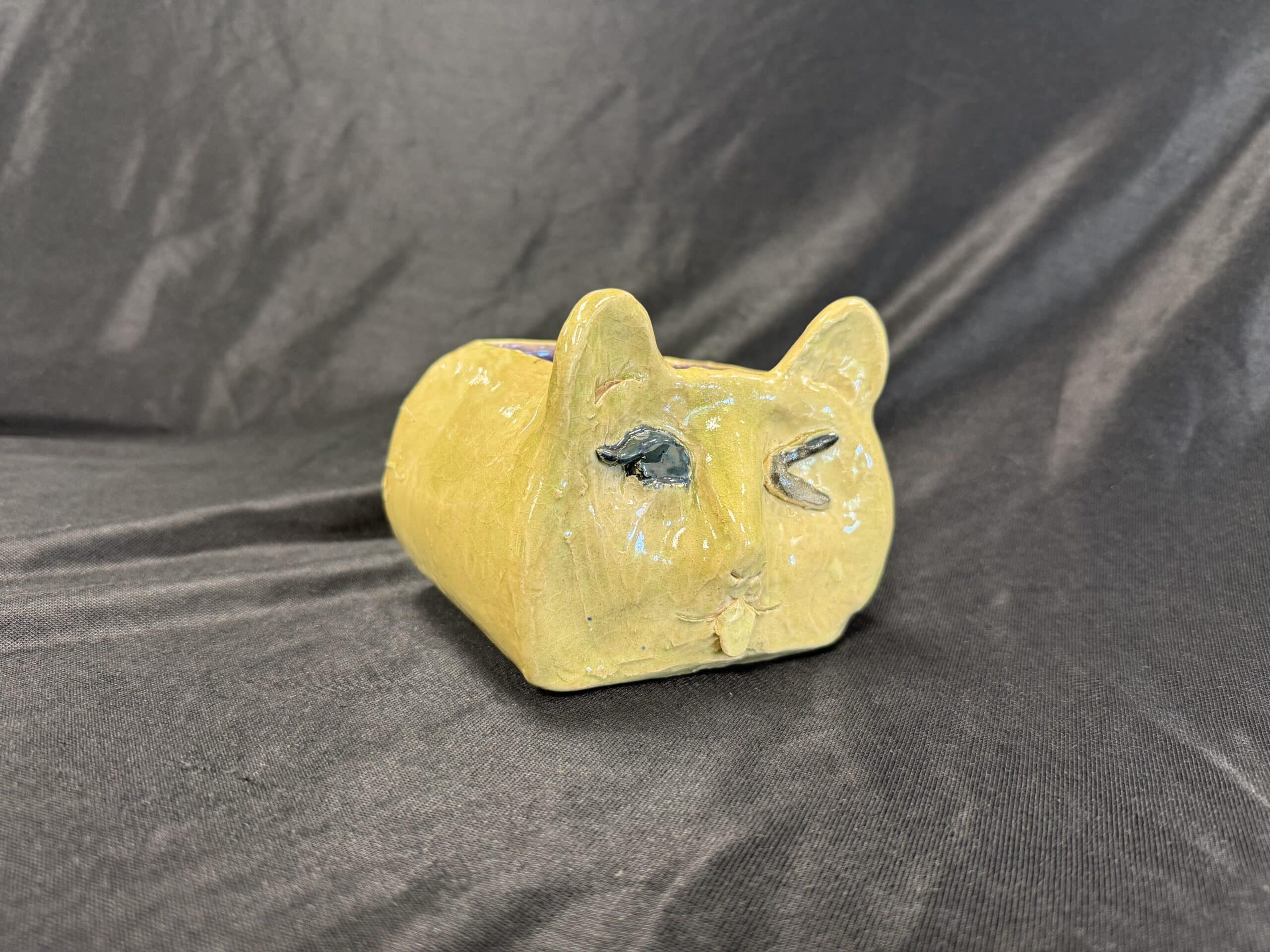
A piece from Sophie’s ceramics collection
For these six seniors, the Fine Arts Studies Signature Program was an opportunity to create, and a space to reflect, remember, experiment, and grow. Their work reveals the patience, discipline, vulnerability, and imagination that art requires, and offers a glimpse into how each student has learned to express what matters most to them.