Clubs & Community Service
January 19, 2026

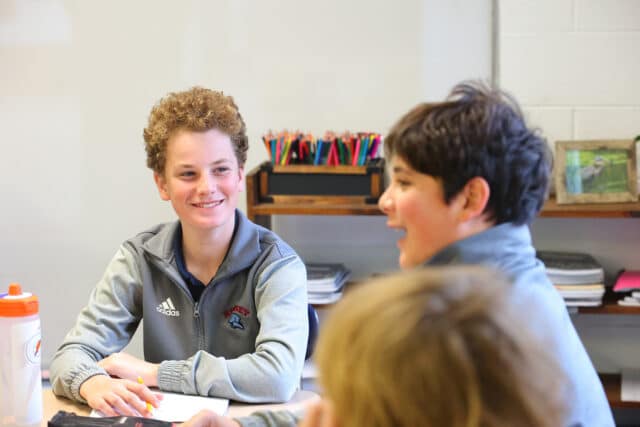
It starts with beginning steps in the Lower School and grows into meaningful, visible roles by 9th grade.
Across every division, leadership is seen as a journey and a practice: something to be taught, modeled, nurtured, and celebrated. Students don’t need a title to be leaders here. Whether they’re organizing dorm activities, leading a club, or simply offering to help a peer, Rumsey students are learning to lead by doing every day.
Leadership at Rumsey is developmental by design. From Pre-K onward, students are invited to take ownership, speak up, and make an impact. Rumsey Hall provides countless opportunities, both formal and informal, for students to step into leadership and begin to see themselves as leaders. Through hands-on experiences, thoughtful coaching, and mentorship from faculty and older students, they grow in confidence and character.
Joining is leadership. Trying something new, helping someone else, speaking kindly, showing up for the community are all actions recognized and reinforced as part of the school’s leadership culture.
Leadership at Rumsey begins early. In the Lower School, students learn what it means to be part of a community and how to take responsibility within it. Leadership is woven into daily life through classroom routines, buddy programs, collaborative projects, and age-appropriate workshops. These early experiences lay the foundation for a lifelong understanding of how to lead.
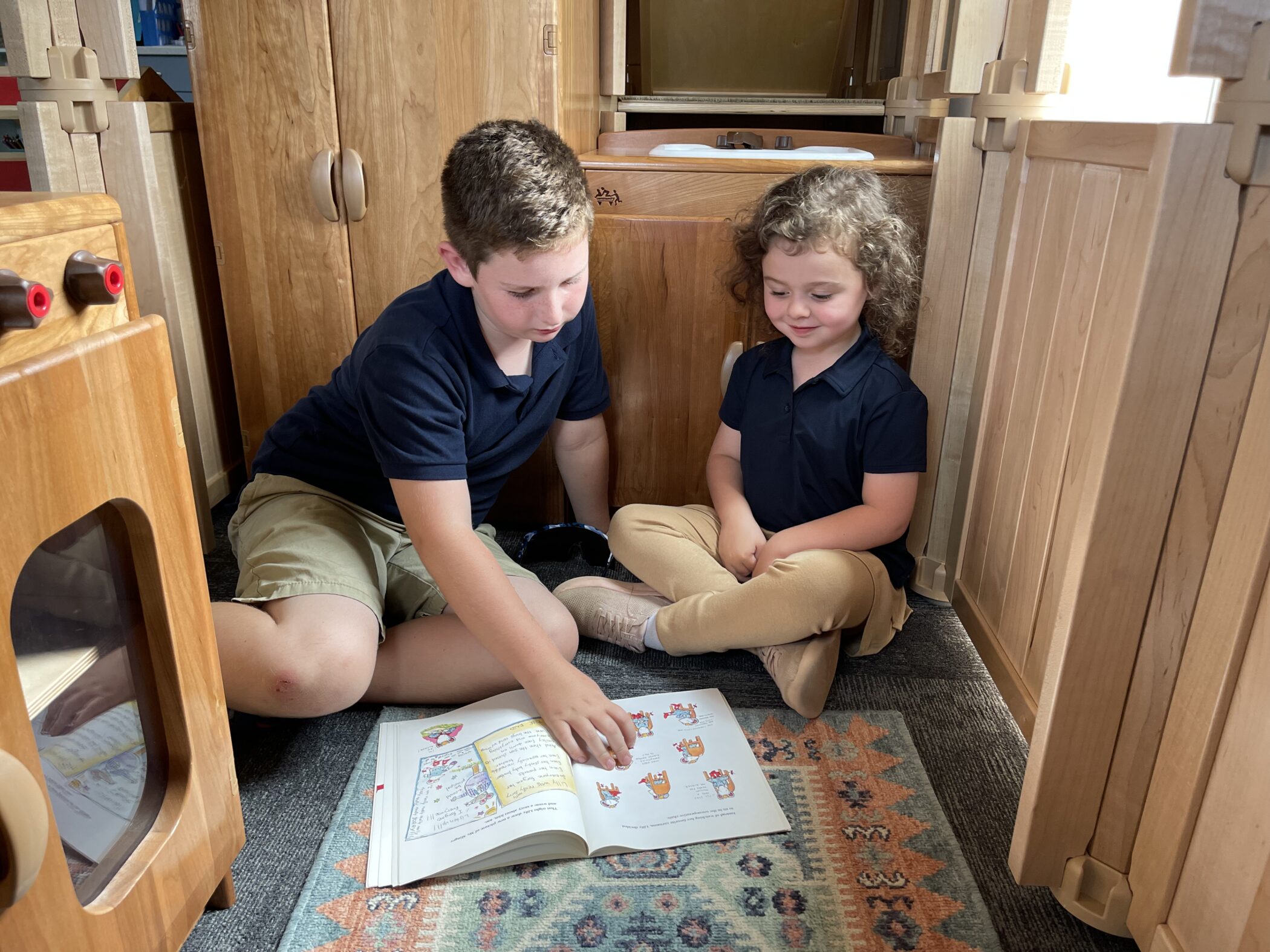
As the oldest students in the Lower School, fifth graders step into visible leadership roles. Through a yearlong series of leadership workshops, they build skills in communication, collaboration, and personal responsibility that prepares them to lead both by action and example. Fifth graders also take on key responsibilities, including:
These experiences prepare students to enter the Upper School not just as learners, but as emerging leaders.
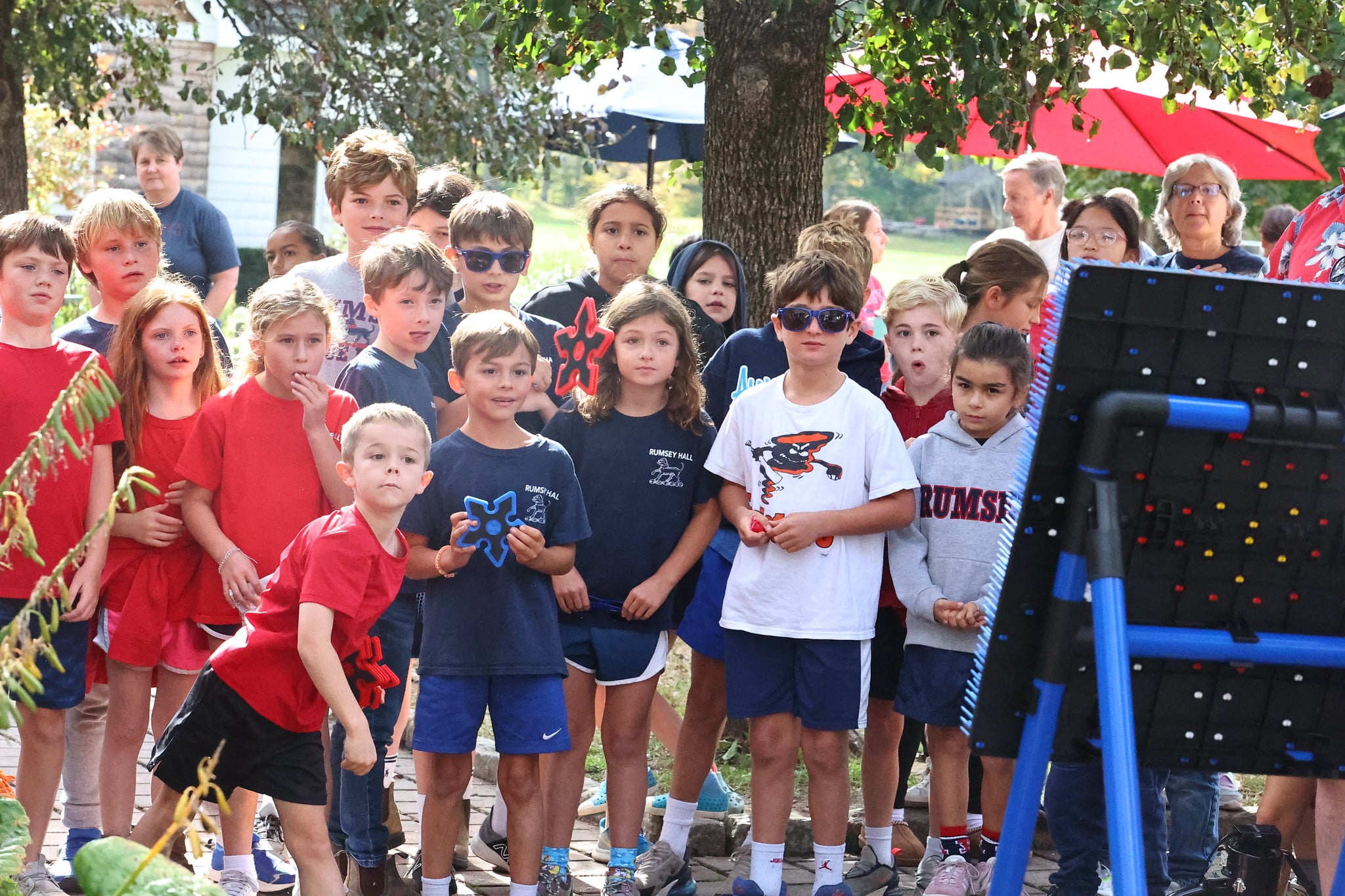
The Lower School Student Council is open to all students in Grades 3 to 5 and provides a meaningful forum for student voice, leadership, and community engagement. Council members take an active role in shaping school life by organizing spirit days, launching service initiatives, and supporting a positive community culture through collaboration and problem-solving. With guidance from faculty, students gradually take on more responsibility throughout the year, gaining confidence as they lead both in their classrooms and across the division. Student involvement rotates seasonally—fall, winter, and spring—to give more students the opportunity to take part.
In the Upper School, students are given space to lead, and the support to lead well. Leadership becomes more formalized, with roles and responsibilities that reflect students’ strengths and interests.
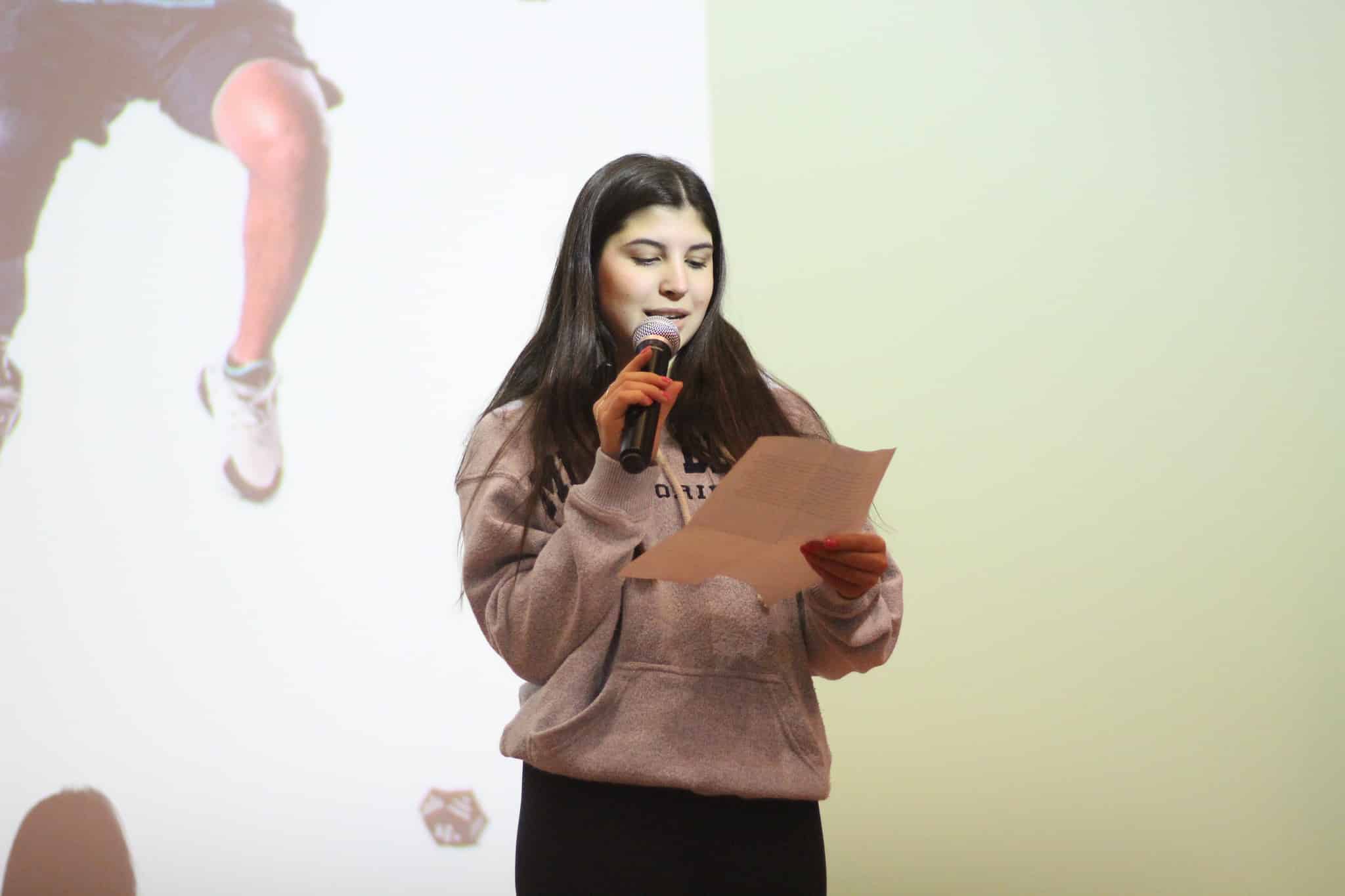
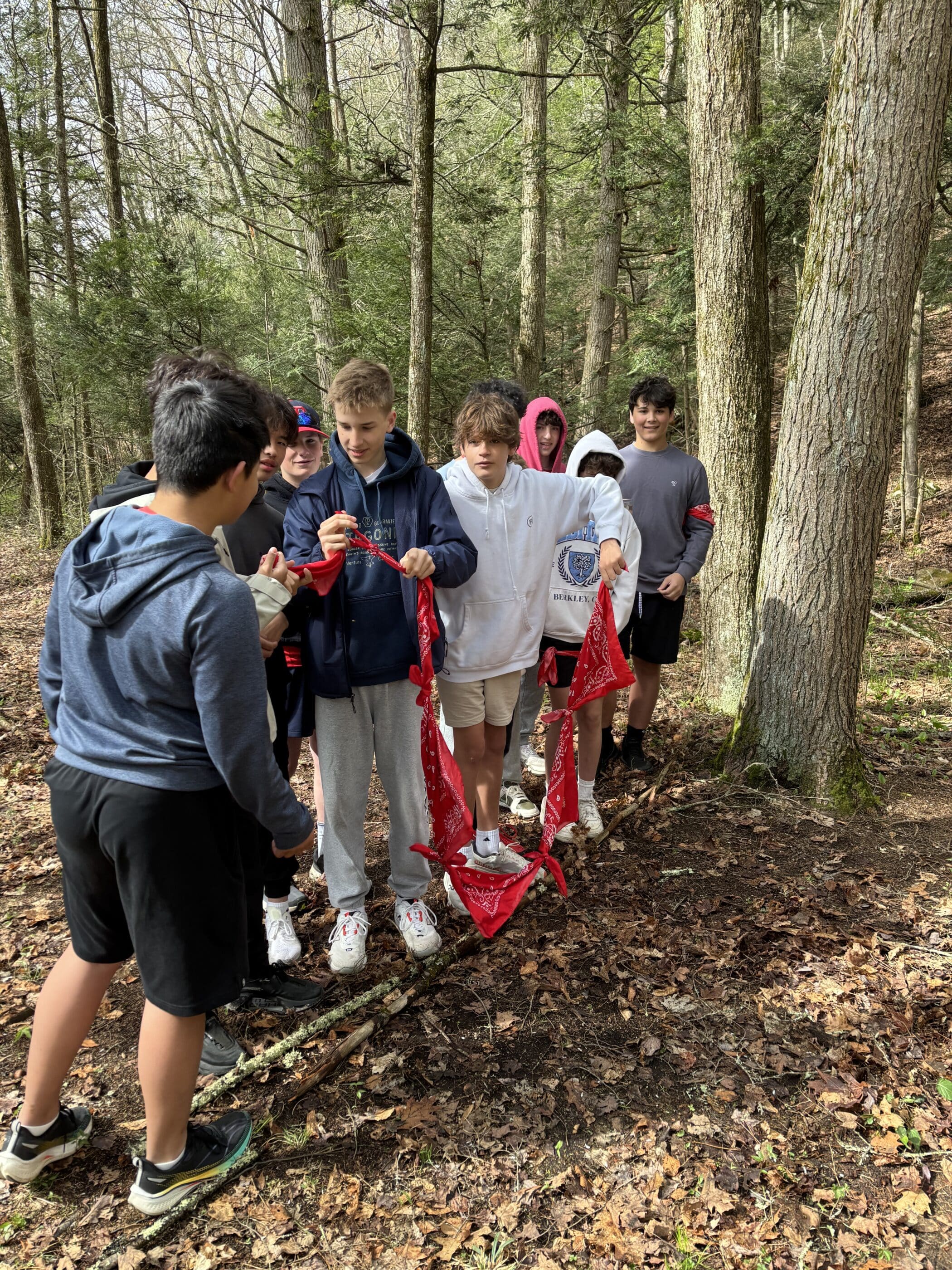
Leadership is actively taught through our leadership workshops, which are structured opportunities for students to reflect on their strengths, develop key skills, and grow as leaders.
January 19, 2026
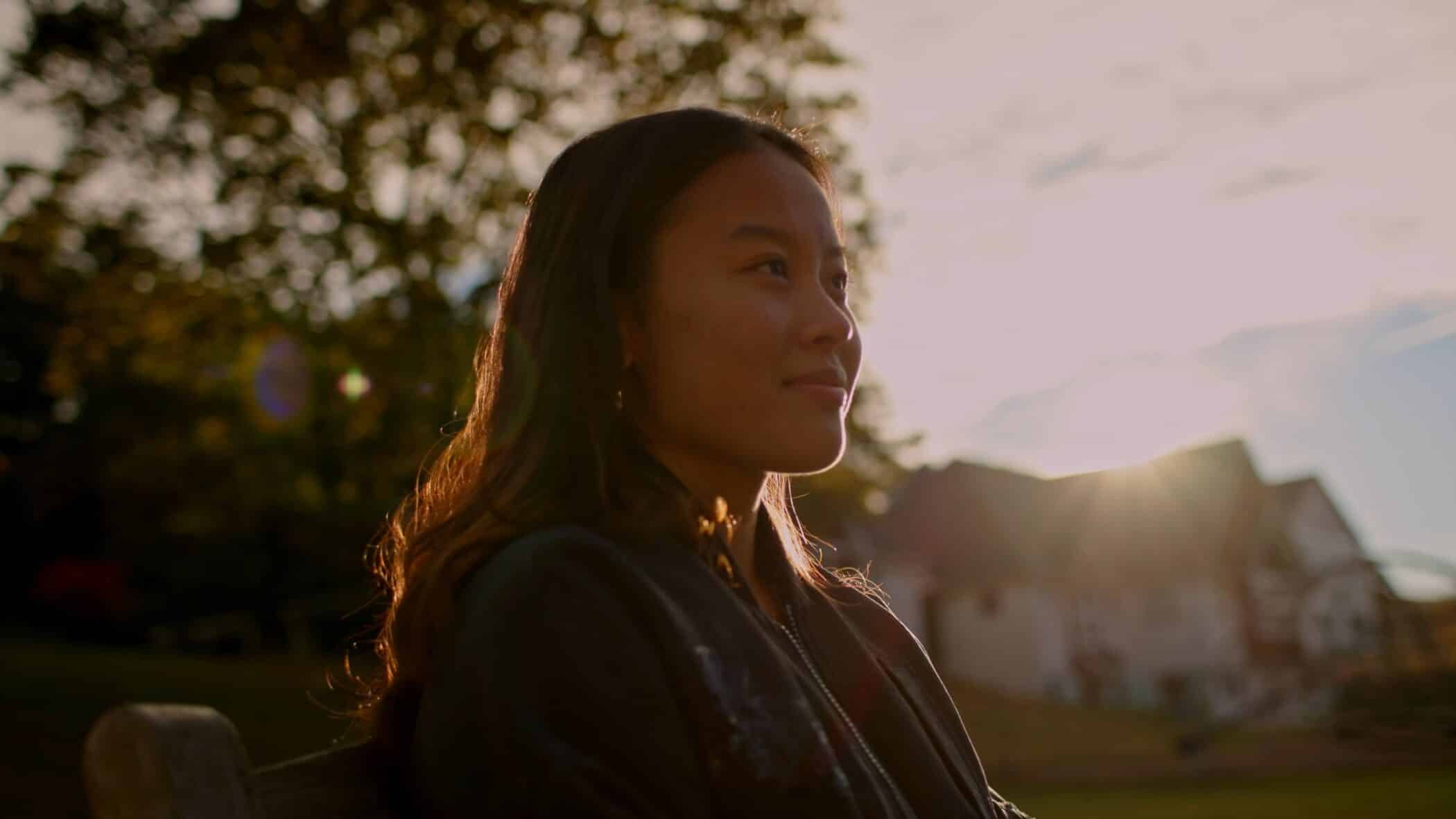
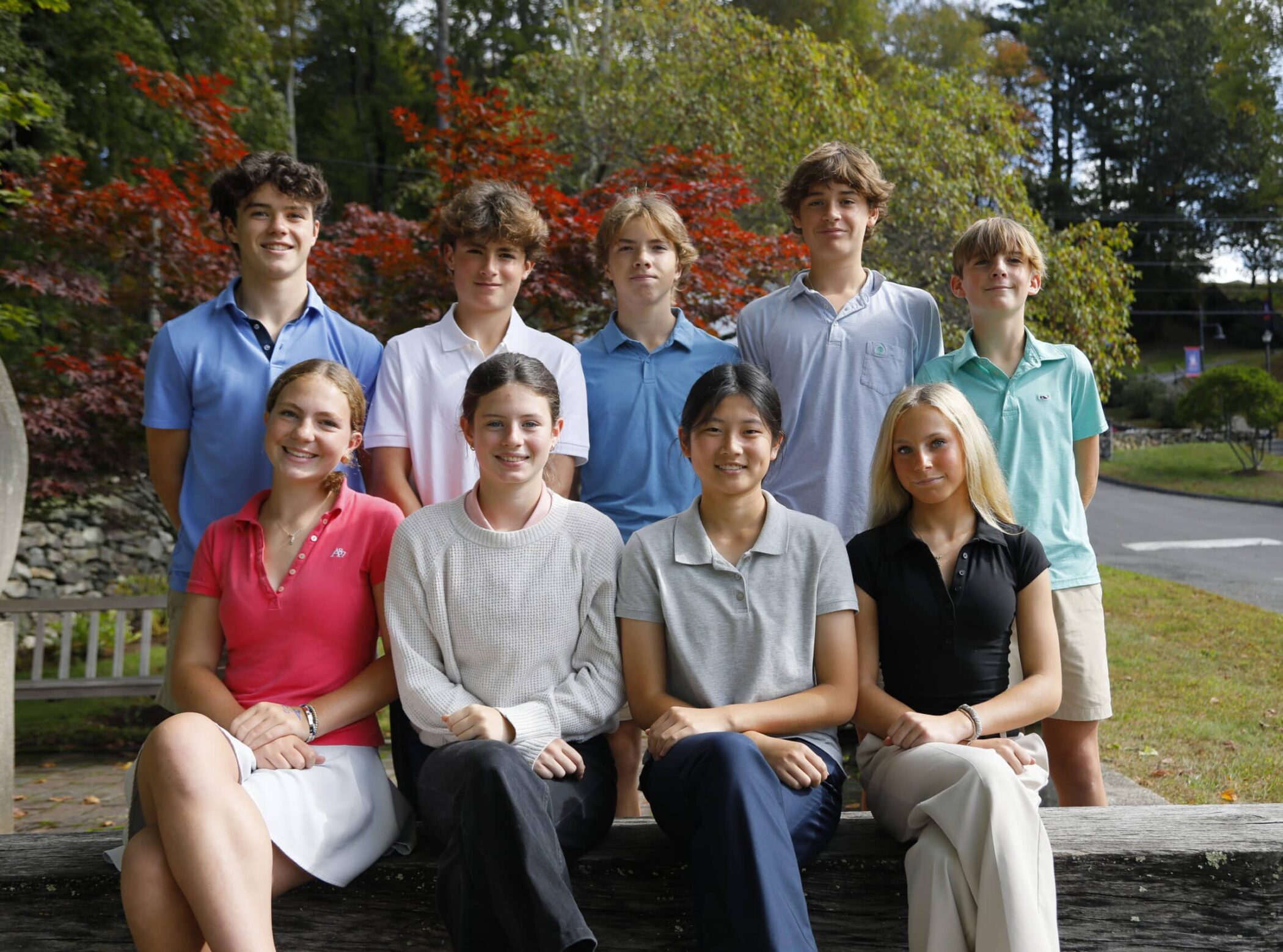
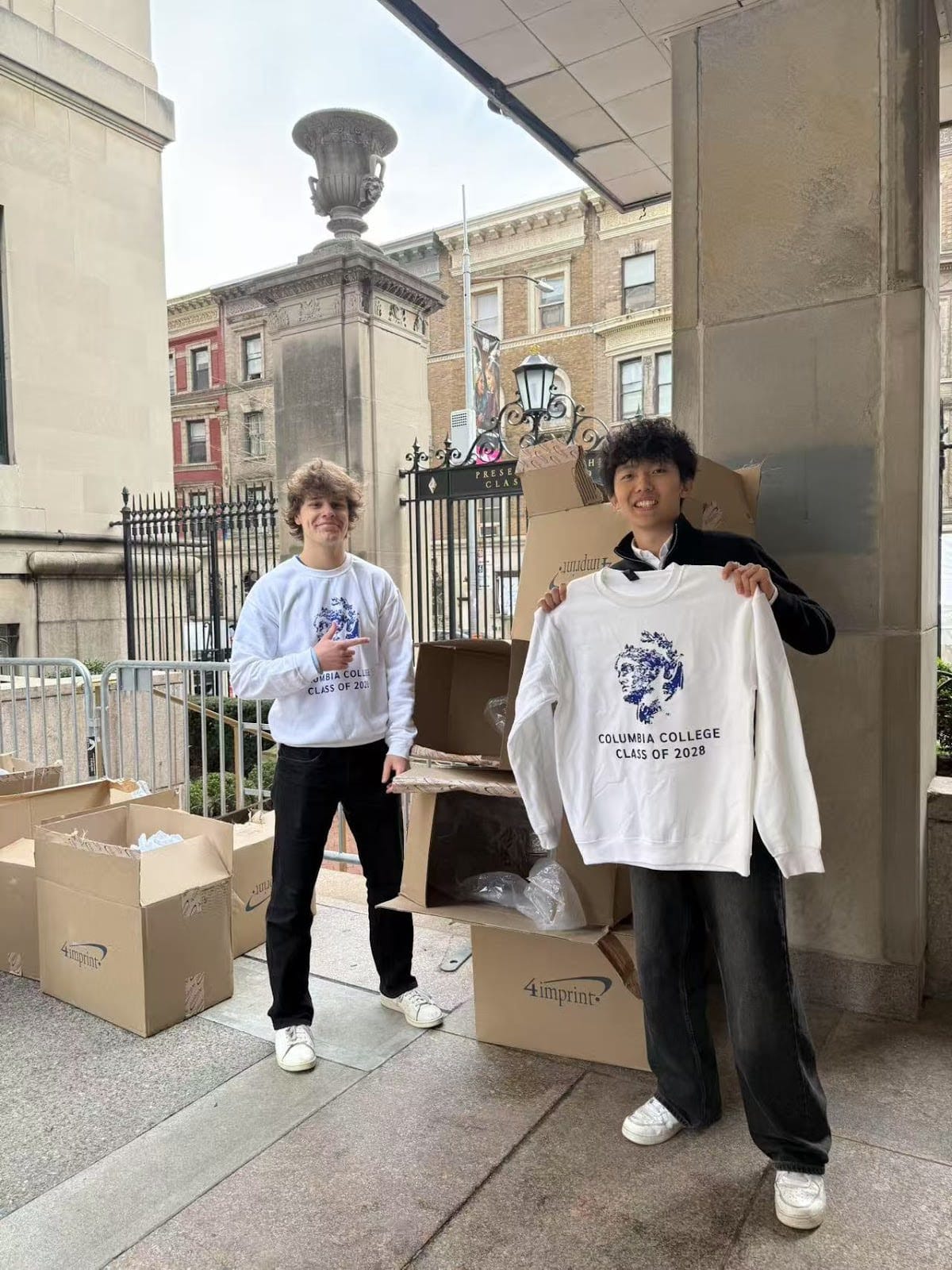
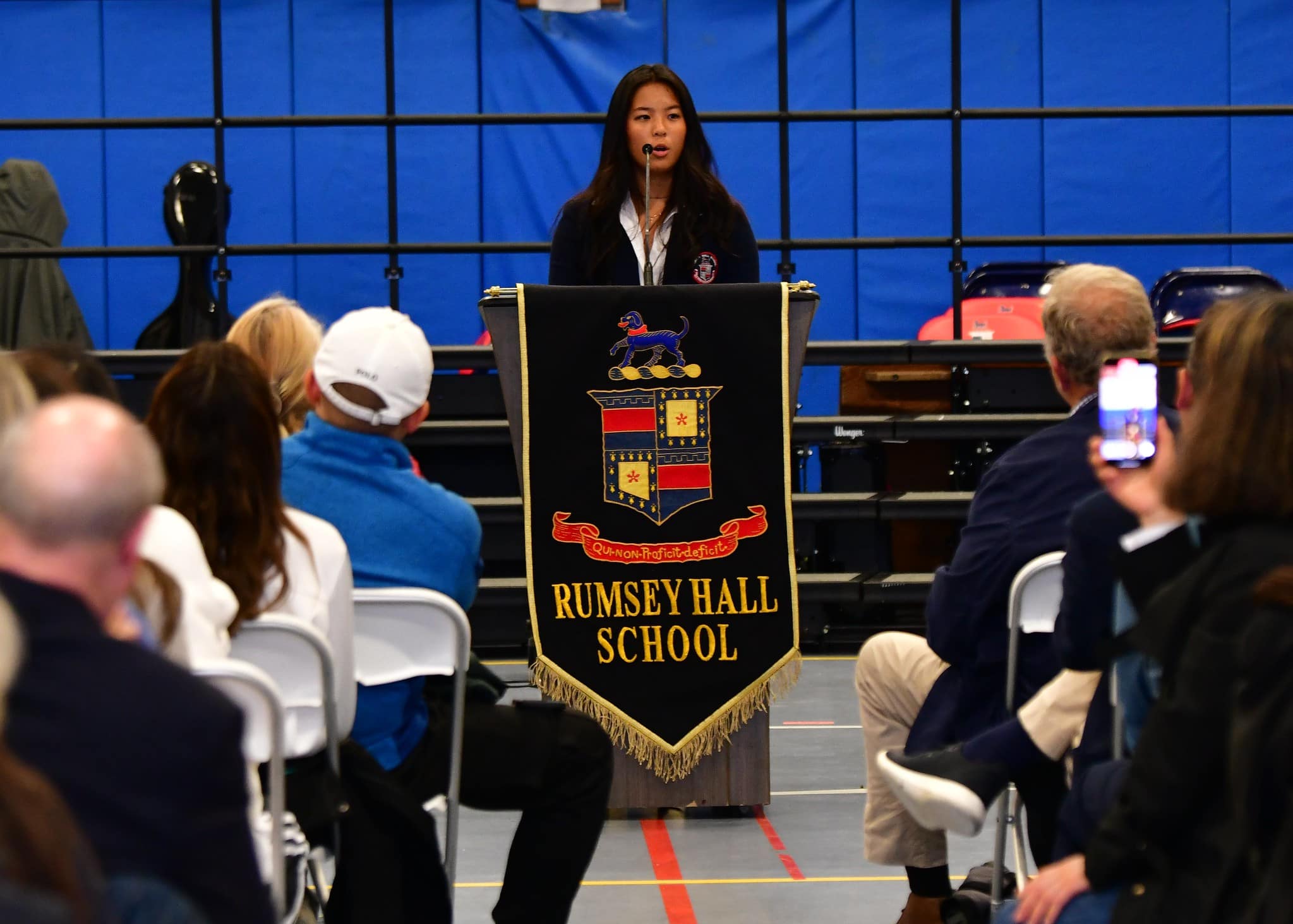
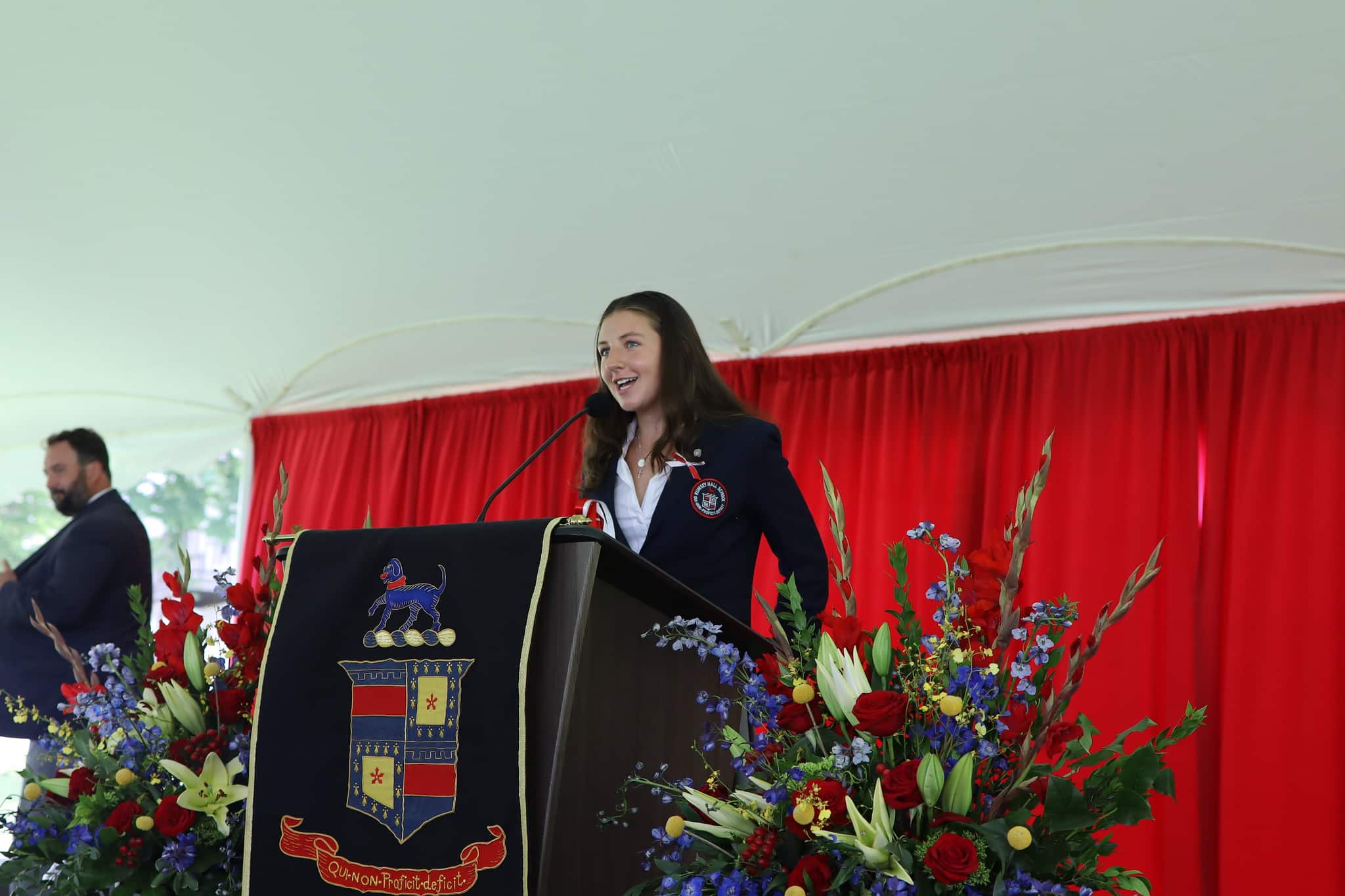
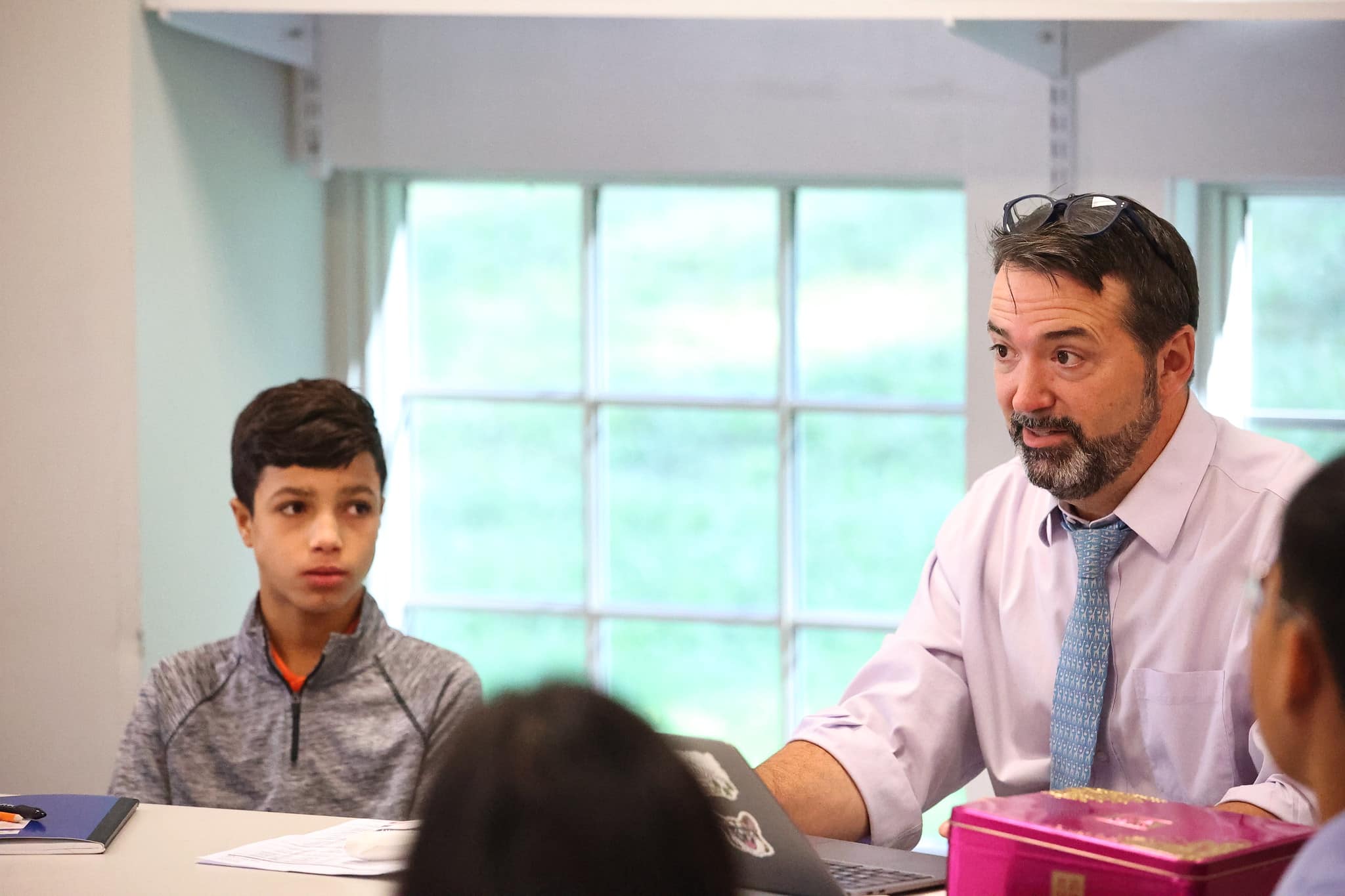
Rumsey’s culture of leadership is fueled by strong role modeling from trusted faculty to older students who exemplify our core values of honesty, kindness, and respect.
Students observe leadership in action, practice it in safe environments, and receive feedback that helps them grow. In our multicultural community, they learn to lead with empathy, humility, and cultural awareness.

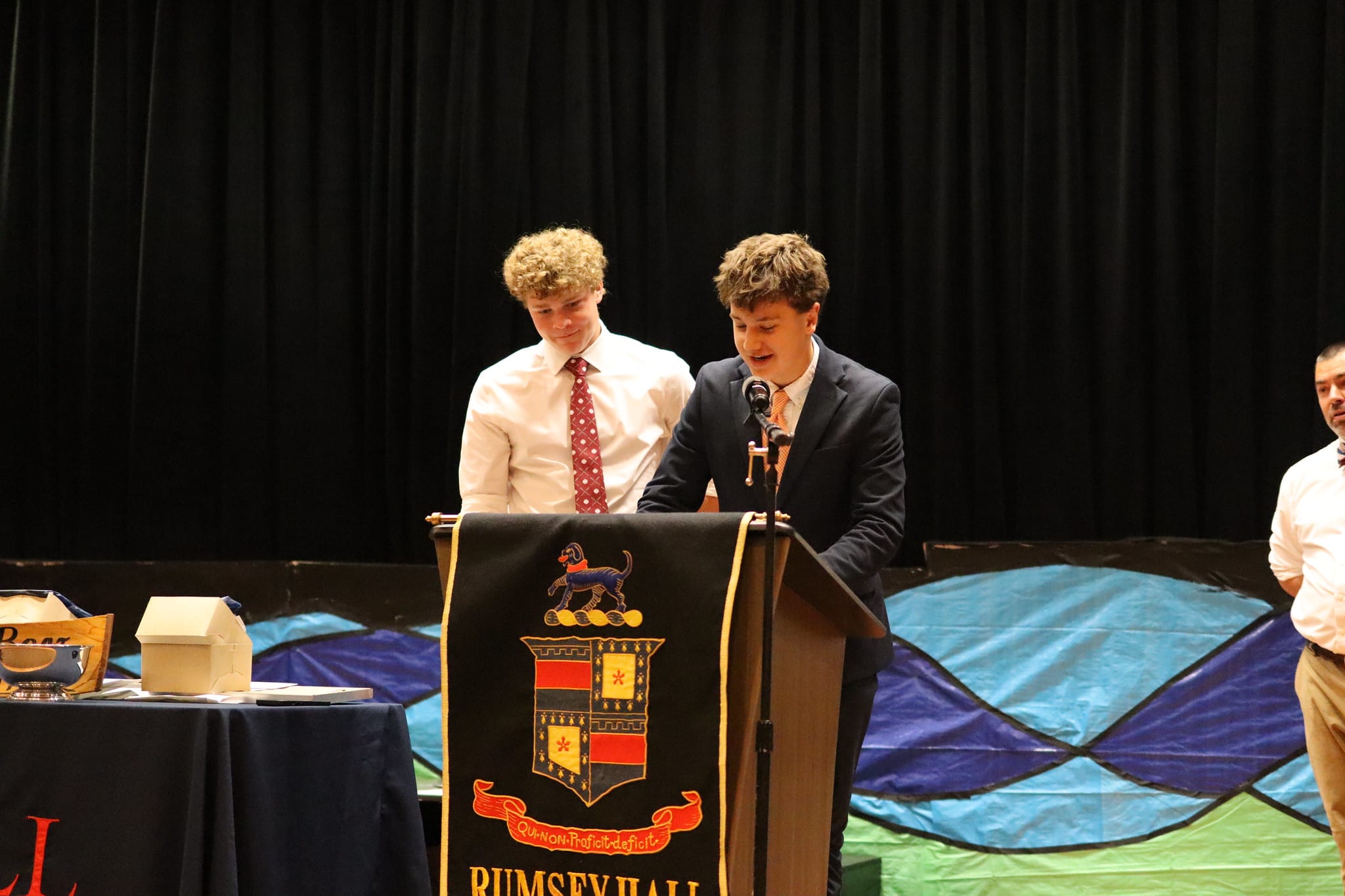
Everything culminates in Grade 9. As the oldest students on campus, ninth graders are expected to lead with confidence and compassion. They mentor younger students, guide campus traditions, and take ownership of initiatives that strengthen the school community.
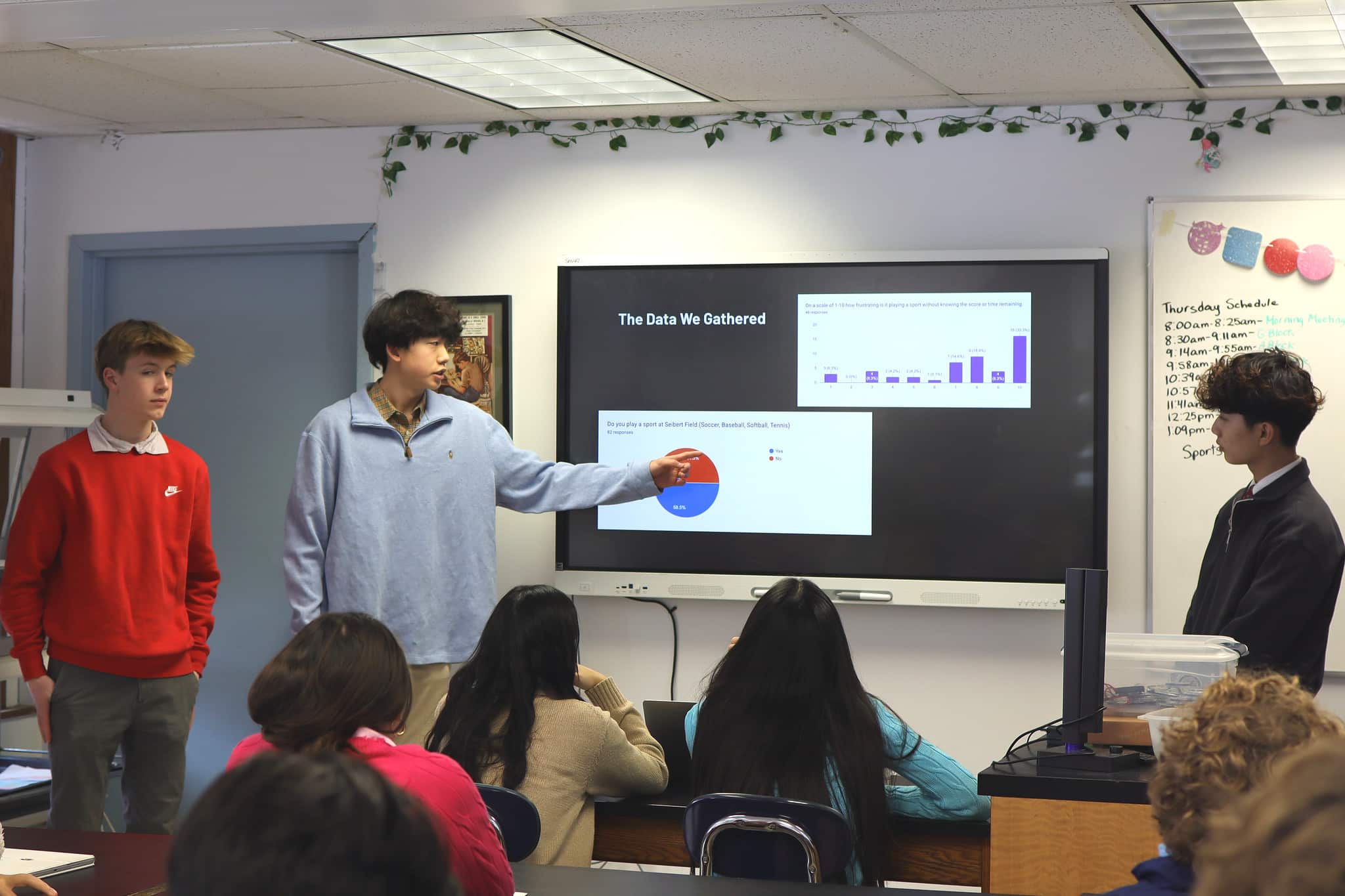
Leadership in this final year is both visible and purposeful. And through dedicated workshops or the Social and Community Leadership Signature Program, students design and lead real-world projects, host speakers, and develop their voices as changemakers. They refine their public speaking, collaboration, and empathy skills that prepare them for secondary school and beyond. By the time they graduate, Rumsey students don’t just understand what it means to lead, they’ve lived it.

Where next?